
Choosing new windows is a big decision. The right style can change how your home looks, how much natural light it receives and how easy it is to maintain.
There are several different types of uPVC windows to choose from, including casement, flush sash, sliding sash and tilt and turn. Bay, bow and French casement windows offer further options depending on your home and how you want your windows to open.
In this guide, we’ll explain the main options, the benefits of uPVC windows and how to find the best choice for your property.
Why are uPVC windows a popular choice?
uPVC stands for unplasticised polyvinyl chloride. It’s a durable material that won’t rot or rust and doesn’t need regular painting, making it a low-maintenance alternative to traditional timber frames.
Modern uPVC windows are also available in a wide range of styles, colours and finishes. This means you can achieve a traditional appearance for a period property or create a modern look for a contemporary home.
Our uPVC windows use multi-chambered profiles and can be double or triple glazed. They are A+ rated as standard, conform to PAS 24 security specifications and Document Q performance benchmarks, and include features such as internal beading and multi-point locking.
Thermal efficiency is another important benefit. Our uPVC windows can achieve U-values as low as 0.8 W/m²K with 44mm triple glazing. A well-specified window can help reduce heat loss and support lower energy bills, while a tight seal can also contribute to noise reduction.
What types of uPVC windows are available?
Casement windows
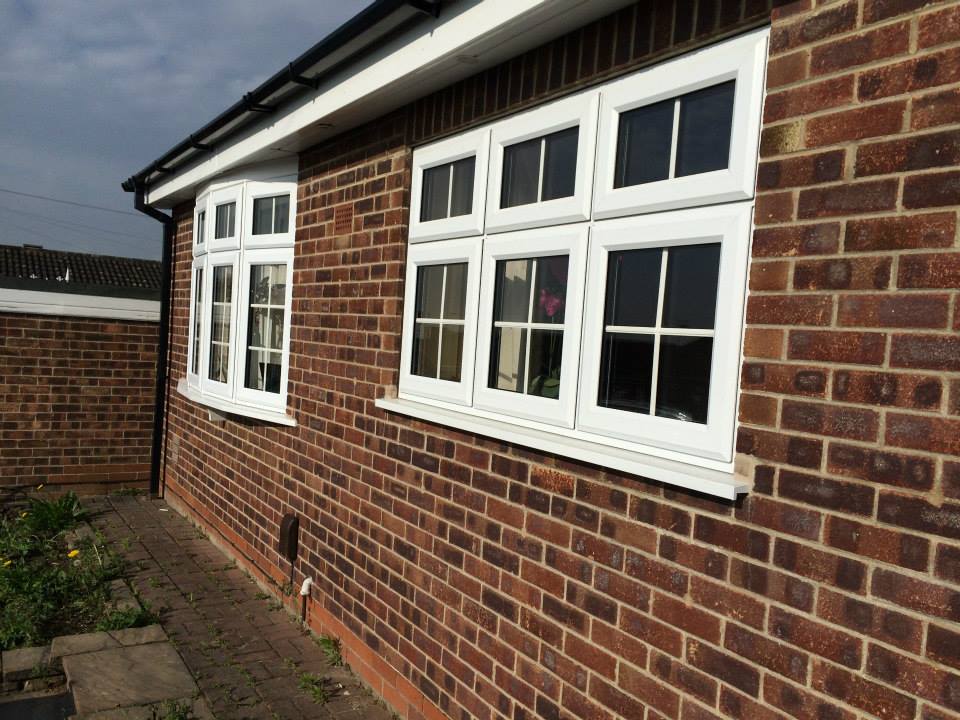
Casement windows are one of the most versatile types of window. They typically open outwards from side hinges, although top-hung and bottom-hung configurations are also available.
One of the main benefits of uPVC casement windows is excellent ventilation. They can suit almost any home, from traditional properties to modern new builds, and different glazing, colours and hardware options make it easy to match your home’s style.
Our casement windows are available in a range of configurations and finishes to suit different homes.
French casement windows use two opening sashes that meet in the centre, creating a larger glazed area and an unobstructed view when both sides are open.
Flush sash windows
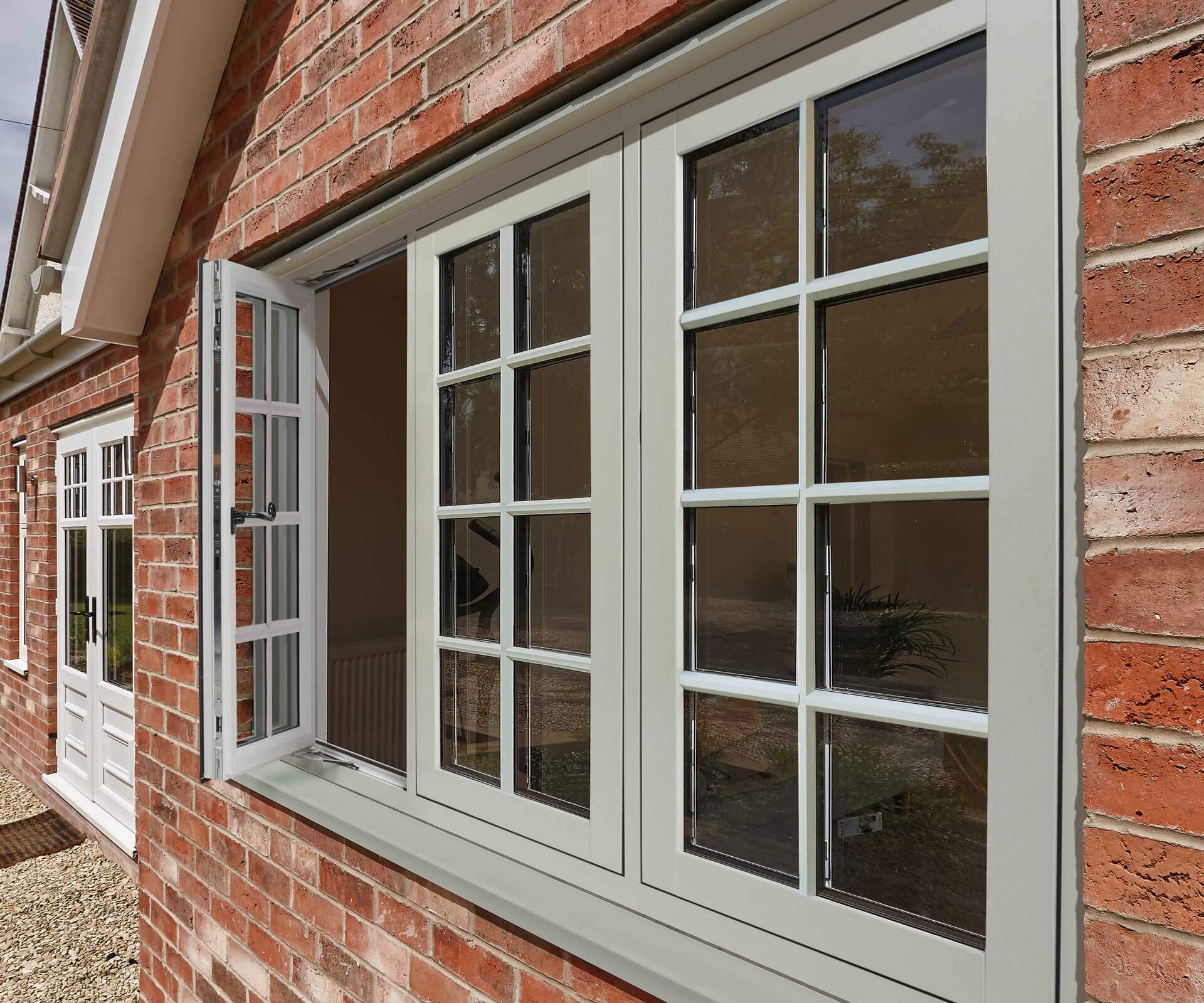
Flush sash windows are also known as flush casement windows because they use a hinged opening like a standard casement. The difference is that the sash sits flush within the outer frame when closed, creating a streamlined appearance inspired by traditional timber joinery.
This makes flush casement windows a popular choice for a period property where you want traditional charm without the maintenance associated with timber frames. Georgian bars, astragal bars and deep bottom rails can add to the overall appearance.
Our flush sash windows combine this traditional aesthetic appeal with the practical benefits of modern uPVC.
For a more authentic heritage finish, our Residence 7 and Residence 9 timber alternative windows replicate 19th-century flush sash timber windows.
Sliding sash windows
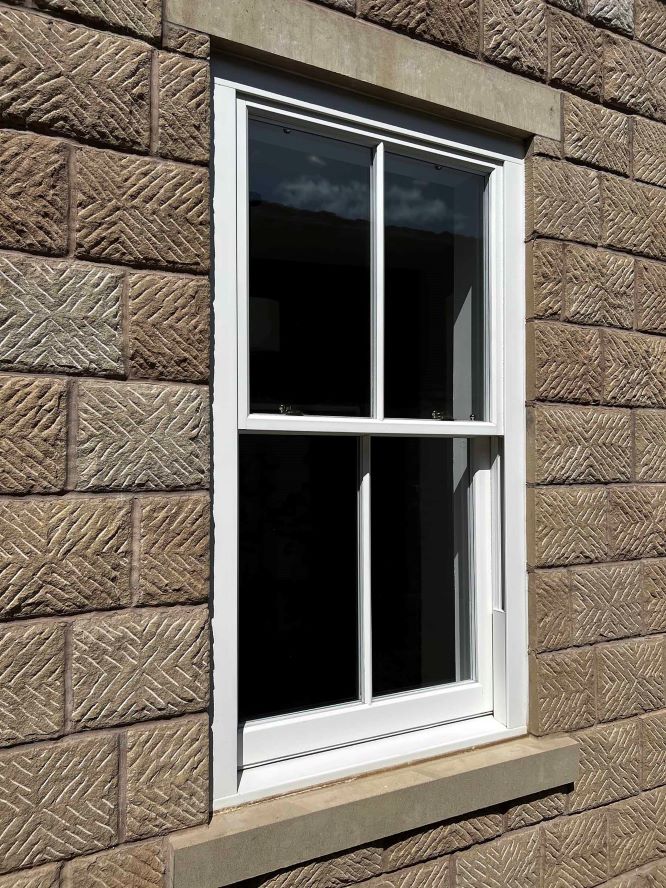
Sliding sash windows work differently from casements and flush sash windows. One or two glass panels slide vertically within the frame, allowing you to open the window from the top, bottom or both.
They are particularly associated with Georgian and Victorian homes, where their proportions and opening mechanism can complement the existing architecture.
Our uPVC sash windows use a torsion balance system for smooth operation and can include tilt-in sashes for easier cleaning. They can achieve U-values as low as 0.8 W/m²K with 44mm triple glazing.
Tilt and turn windows
Tilt and turn windows offer two opening positions. You can tilt the sash inwards from the top for ventilation or turn it fully inwards for a wider opening and easier cleaning.
This makes them a practical option for flats, upper floors and rooms with limited space, particularly where an outward-opening window would be less convenient.
Our tilt and turn windows offer this flexible opening design for homes where ventilation and easy cleaning are priorities.
Bay and bow windows
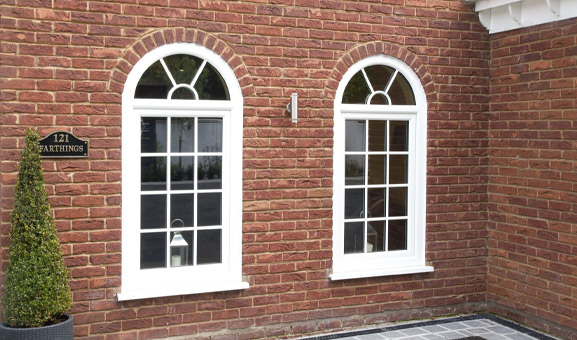
A bay window projects outwards from the wall and usually combines a central window with angled side sections. A bow window creates a gentler curve using several individual windows.
Both can bring more natural light into a room and create a focal point on the outside of your home. They can also increase the sense of space inside a room, depending on the design of the property.
Because bays and bows are made up of individual windows, you can choose different opening styles to suit the room.

French Casement windows
French windows, or French casement windows, have two sashes that open outwards from the centre. This gives you a wide opening and an unobstructed view when both sides are open.
They can be a great choice for a living room, dining area or other space where you want to combine natural light, ventilation and a wider opening.
Which type of uPVC window suits my home?
The best uPVC windows for your home will depend on your property’s architecture, how you want the window to operate and the appearance you’re trying to achieve.
Casements are a versatile choice for most property types. Flush sash windows can suit period properties where a traditional appearance is important, while sliding sash windows are particularly well matched to Georgian and Victorian homes.
Tilt and turn windows can be useful on upper floors or where space is limited, while bay, bow and French casement windows offer alternative options when natural light, ventilation or a larger glazed area are priorities.
For older properties or homes in conservation areas, it’s also important to check whether any planning requirements apply before replacing your windows.
Frequently asked questions
What is the most popular type of uPVC window?
Casement windows are one of the most popular window styles because they are versatile, easy to operate and suitable for a wide range of homes.
Which uPVC windows give the best ventilation?
Casement windows can open wide to provide excellent ventilation. Tilt and turn windows also offer flexible ventilation, as they can be tilted inwards from the top while remaining more contained than a fully open window.
What colours do uPVC windows come in?
Modern uPVC windows are available in various colours and finishes, including traditional shades, contemporary colours and woodgrain effects. Dual-colour options can also allow you to choose different colours for the inside and outside of the window.
What are the best uPVC windows for modern properties?
Modern casement windows are a popular choice for contemporary homes because their clean lines work across a range of architectural styles. Tilt and turn windows can also suit modern properties where ventilation and easy cleaning are priorities.
If you want slimmer frames and larger areas of glass, our aluminium windows are another option worth considering.
Find the right windows for your home
With more than 20 years of experience installing windows across Nottingham, Derby, Leicester and the wider East Midlands, we know that choosing between different styles isn’t always straightforward.
Visit our showroom in Hucknall to see different types of uPVC windows in person and discuss your requirements with a member of our team. We’ll provide expert advice based on your property, priorities and preferred style.
Whether you’re looking for the versatility of casement windows, the traditional charm of flush sash windows or the elegant look of a bay or bow window, we’ll help you find the right option for your home.
You can also book an appointment, request a free quote or call us on 0115 866 00 66.