
Your windows frame your home, so the style you choose has a big say in how it looks from the street. The key difference between flush and casement windows is how the opening sash sits. On a casement window, it closes against the outer frame and leaves a visible lip. On a flush window, it sits inside the frame for a flat finish inside and out.
In this guide, we’ll explain how they’re made and how they compare on looks, price and energy efficiency, so you can choose the right windows for your home.

What is a casement window?
A casement window is attached to its frame by one or more hinges and opens outwards. Our casement windows can be side, top or bottom hung, with several openable parts in one frame if you need them.
When closed, the sash overlaps the outer frame. This creates a protective lip that sits slightly forward of the frame, which is why you’ll often hear them called storm-proof casement windows. They’re one of the most versatile types of windows, suiting modern builds and traditional homes alike.
What is a flush window?
Our flush sash windows also open on hinges, but the sash fits neatly inside the window frame for a sleek, flat surface inside and out.
This flush design recreates the look of traditional timber windows found on period properties.
Flush windows vs casement windows
| Casement windows | Flush windows | |
| How the sash sits | Overlaps the frame with a visible lip | Sits inside the frame, perfectly flat |
| Look | Clean, modern style | Traditional timber look |
| Materials | uPVC or aluminium | uPVC or aluminium |
| Energy rating | A-rated as standard | A-rated as standard |
| Best for | Modern and traditional homes | Period homes and heritage properties |
How flush and casement windows compare
Appearance and kerb appeal
Casement windows offer clean lines and a crisp, modern look that sits comfortably on new builds, 1930s semis and contemporary homes.
Flush windows create a flat effect, with the sash and frame in perfect alignment, just like traditional joinery. Our Residence 7 and Residence 9 ranges take this further, with traditional-style joints, deep sills and woodgrain finishes such as Irish Oak. They’re often chosen for conservation projects where keeping period features matters.
Energy efficiency
It’s easy to assume one style is warmer than the other, but energy efficiency depends on specification rather than style. The key factors are:
- The glazing: double glazing or triple glazing, both with excellent thermal performance
- Gas fills: a gas between the panes of glass slows heat loss
- The frame: insulating chambers inside our uPVC frames trap warmth
- Tight seals and precise installation: these stop draughts and give better weather resistance
Our casement and flush windows are A-rated as standard and comfortably beat the energy standards that building regulations set for replacement windows, whichever style you choose. That means less heat loss, warmer rooms and lower energy bills. Triple glazing also helps with noise reduction if you live near a busy road.
Price
Flush windows are often thought to cost more. In fact, there’s no significant price difference between our flush sash and casement windows, so cost won’t be a barrier when choosing between the two.
Your final price will depend on your project, which is why we offer a free consultation to talk through your options.
Maintenance
Our uPVC windows are low maintenance and won’t warp or rot. The colour runs through the uPVC to resist fading, so a wipe down is usually all they need.
Security
Every casement and flush window we fit meets recognised security standards and comes with multi-point locking. Key-locking handles are also available for extra peace of mind.
Should you choose flush or casement windows?
Choose flush windows if you live in a period home or love the look of traditional timber. Choose casement windows if you prefer a modern look or would like aluminium frames. Both perform equally well, so the decision mostly comes down to style and budget.
Flush windows could be right for you if:
- you live in a Victorian, Edwardian or Georgian property
- you’re replacing old timber windows and want to keep the same character
- your home is in a conservation area (it’s always worth checking with your local planning team first)
- you’d like a woodgrain finish without sanding and painting

Casement windows could be right for you if:
- your home is a modern build or has a contemporary style
- you’d like aluminium frames in a bold colour
- you want a versatile, cost-effective option for the whole house
- wide openings for fresh air are a priority
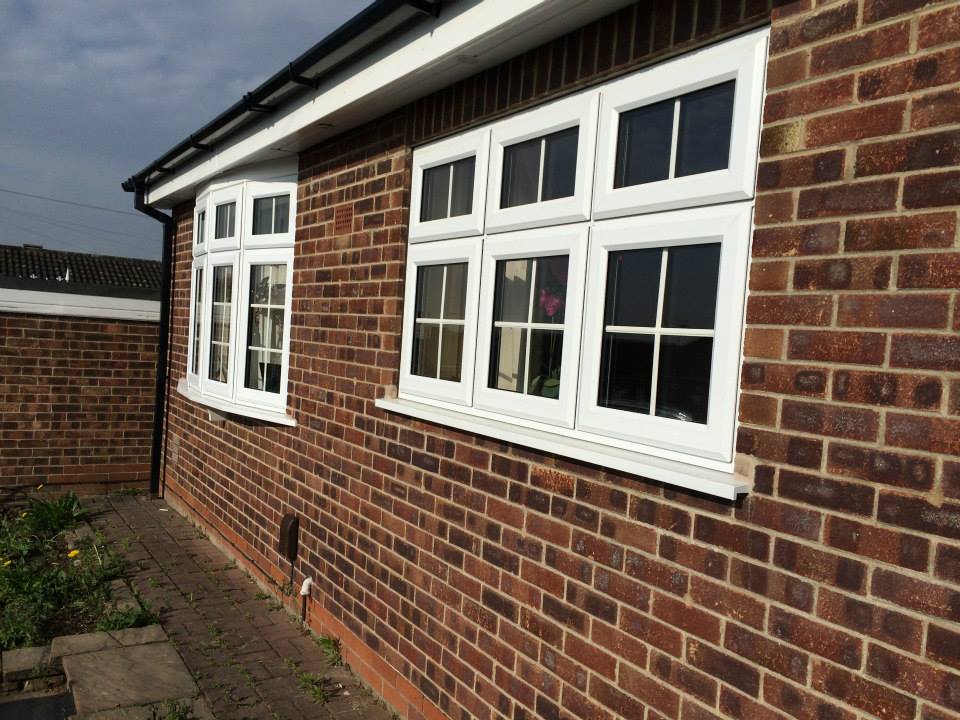
Find the right windows for your home
We’re a family-owned business with over 10 years of experience fitting new windows across Nottingham, Derby, Leicester and the wider East Midlands. Every product we install is quality assured by CERTASS and backed by a QANW insurance-backed warranty, including a 20-year product and installation guarantee.
It’s much easier to choose when you can see both styles in person. Visit our showroom at 36b High Street, Hucknall, call our friendly team on 0115 866 0066 or get a free quote online.
Frequently asked questions
Is a flush casement the same as a flush sash?
Yes. Flush casement, flush sash and flush fit are different names for the same style, where the opening sash sits flat within the frame.
Are flush windows more expensive than casement windows?
Not with us. There’s no significant price difference between our flush sash and casement windows. Every window we fit is made to measure rather than built to standard window sizes, so your final quote will depend on the size of your windows and the glazing and finishes you choose.
Are flush windows suitable for period properties?
Yes. They recreate the look of traditional timber windows, and heritage details like Georgian bars and traditional-style handles help keep the original character.
How long do flush and casement windows last?
Our uPVC windows are designed to last at least 30 years maintenance-free, and every window we fit comes with a 20-year insurance-backed guarantee.