
Choosing new windows is a decision you’ll live with for years. The right window style affects how your home looks, how warm it feels and how much maintenance it needs.
Casement and sash windows remain two of the most popular window types we install. They can look similar at a glance, but casement, sliding sash and flush sash windows work in very different ways.
In this guide, we’ll compare ventilation, energy efficiency, security, maintenance, cost and suitability for different properties to help you make the right choice.
What are the key differences between casement and sash windows?
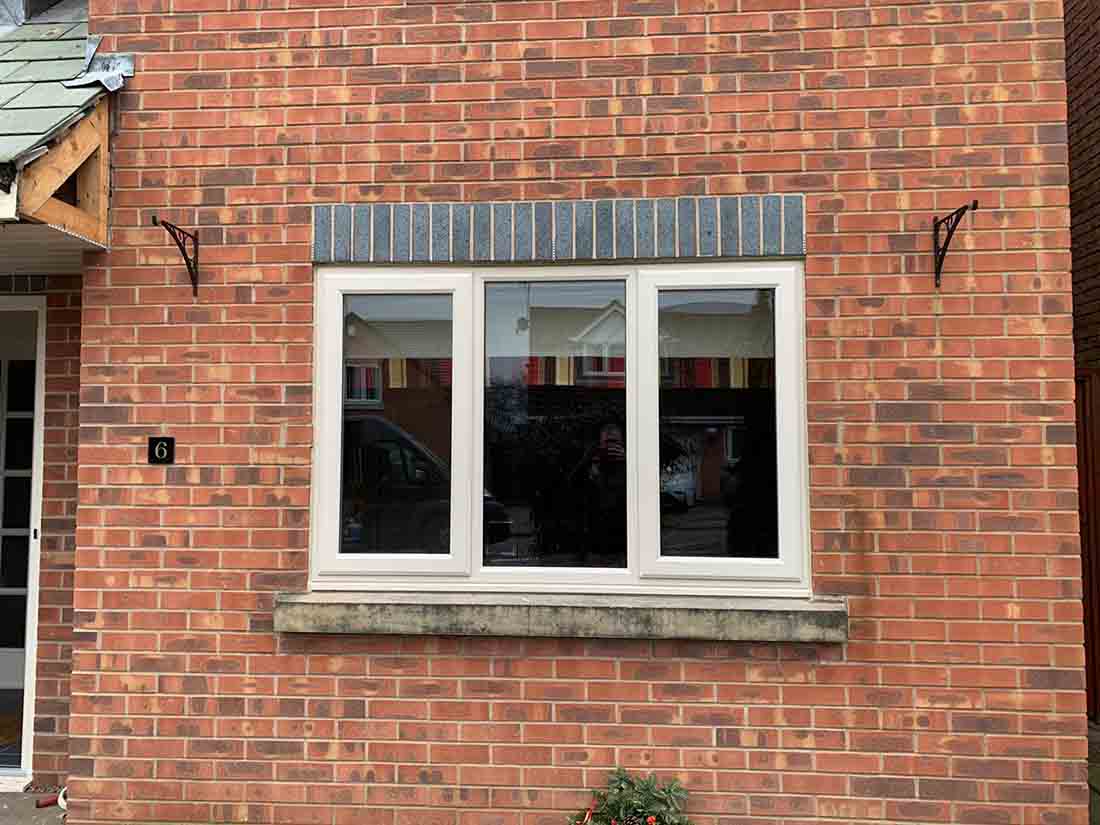
A casement window is hinged to the window frame and opens outwards.
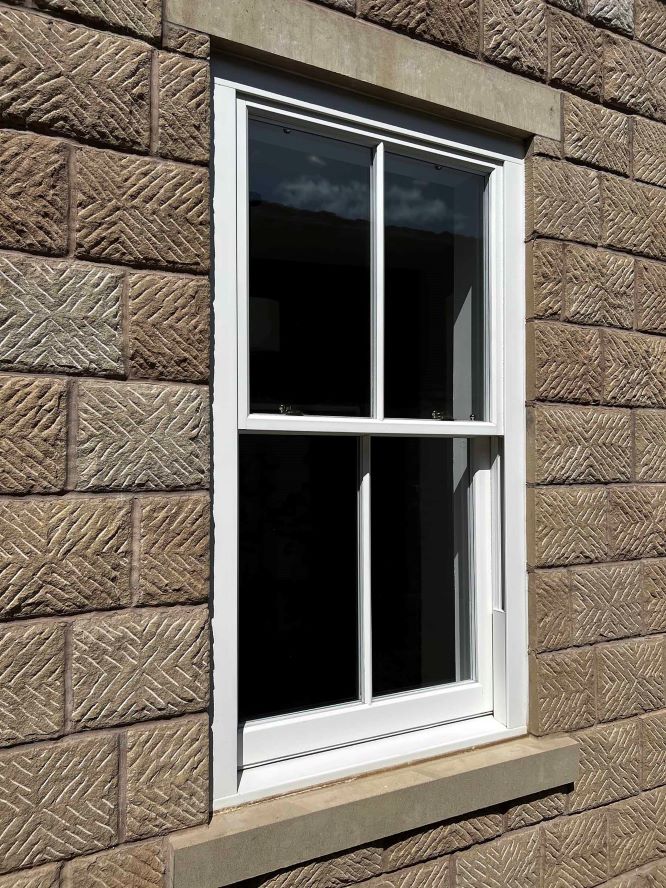
A sliding sash window has one or two glazed sashes that move vertically within the frame.
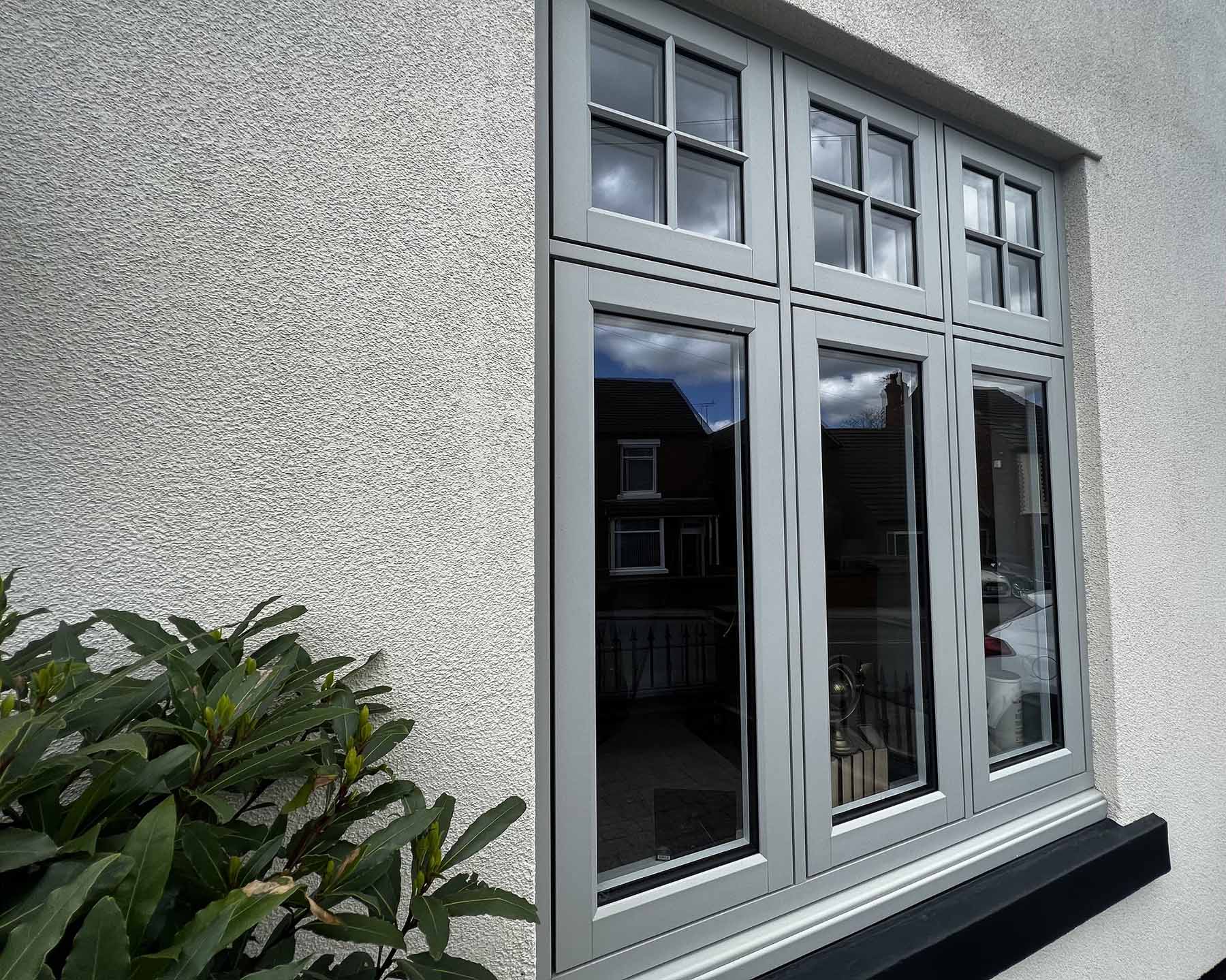
A flush sash window, sometimes also called a flush casement window, is a hinged window where the opening sash sits level with the outer frame when closed. Unlike a sliding sash, it doesn’t move vertically. Instead, it opens outwards like a casement, while the flush profile creates a flat, traditional appearance similar to timber windows.
Casement vs sash windows: how do they compare?
Ventilation
Ventilation is one of the main benefits of casement windows. Casement windows can swing wide, making them a great choice if fresh air is a priority. They can be side-hung, top-hung or bottom-hung to suit each room. Flush sash windows open in the same way.
Sliding sash windows provide more controlled airflow. Open the top sash and the bottom sash slightly, and warm air escapes above while cooler air enters lower down.
Energy efficiency
The Energy Saving Trust estimates that around 18% of heat is lost through windows in an uninsulated house. Choosing well-performing windows can help reduce that heat loss and lower your energy bills.
Casements are often said to have a slight advantage. When the window closes, the sash presses against the window frame to form a tighter seal. In practice, the gap is small. Our uPVC casement windows and uPVC sash windows offer excellent energy efficiency, achieving U-values down to 0.8 W/m²K with 44mm triple glazing.
Security
Our casement and sliding sash windows conform to PAS 24 security specifications, with security features designed to meet the requirements of Document Q where applicable.
- Casement windows use internal beading and multi-point locking.
- Sliding sash windows have locks that exceed building regulations, with limit stops and Secured by Design upgrades available.
Maintenance and cleaning
Modern uPVC windows are low maintenance compared with timber. They don’t need regular painting and wipe clean easily.
Traditional sliding sash windows relied on cords and pulley systems. Our uPVC sliding sash windows use a torsion balance system for smooth operation instead. Tilt-in sashes also allow easy cleaning of the outside glass from indoors, which is particularly useful on upper floors.
Cost
Casement windows are generally the more affordable option because their opening mechanism is relatively simple. Sliding sash windows can cost more due to their vertical sliding mechanism and extra components.
When comparing long-term costs, it’s also worth considering maintenance. Modern uPVC windows need far less upkeep than traditional timber windows, which can make them a practical choice over the life of the window.
There’s no significant price difference between our flush sash windows and standard casements, so heritage styling doesn’t have to mean a higher price tag. The final cost depends on size, material, glazing and configuration.
Which style suits your property?
Period properties and conservation areas
Sliding sash windows are strongly associated with Georgian, Victorian and Edwardian homes. Modern sash windows combine the classic look of the original with modern performance. Our uPVC sliding sash windows feature run-through horns, a slim 35mm meeting rail and astragal bars. These features help recreate the character of traditional sash windows.
Flush sash windows suit period homes where you want the look of original timber windows with a hinged opening. For the most authentic finish, our Residence 7 and Residence 9 windows replicate 19th-century flush sash timber windows.
Casements have a long history of their own, dating back to the Tudor period, so they can suit older cottages as well.
If you live in a conservation area, it’s worth checking with your local authority before replacing windows.
Modern homes and new builds
Modern casement windows are a popular choice for modern properties and new builds, as their clean design works across a wide range of architectural styles. Our casement windows come in uPVC and aluminium. You can choose from plenty of colour, glazing and hardware design options to suit your home’s style.
Casements can also be paired with a fixed picture window for more natural light and unobstructed views.
There’s no single better choice for every home, but picking the right window style can make a real difference to kerb appeal.
Casement vs sliding sash windows at a glance
| Feature | Casement windows | Sliding sash windows |
| Opening | Hinged, opens outwards | Sashes slide vertically |
| Ventilation | Wide opening for maximum airflow | Controlled airflow at top and bottom |
| Best suited to | Most property types, with flush casement options for period homes | Georgian, Victorian and Edwardian homes |
| Energy efficiency | Down to 0.8 W/m²K with 44mm triple glazing | Down to 0.8 W/m²K with 44mm triple glazing |
| Cost | Generally more economical | Generally more expensive |
Frequently asked questions
Are sash windows more expensive than casement windows?
Sliding sash windows are generally more expensive than standard casement windows because their vertical sliding mechanism is more complex. If you want a heritage look without the sliding mechanism, flush sash windows offer another option. The final cost will depend on the specification, materials and glazing.
Are sash windows suitable for period properties?
Yes. Sliding sash and flush sash windows can work particularly well in period homes. Sliding sash windows offer the vertical opening associated with Georgian, Victorian and Edwardian properties, while flush sash windows recreate the flat appearance of traditional timber joinery.
Which is more energy efficient, casement or sash windows?
Neither style is automatically more energy efficient. Our uPVC casement and sliding sash windows can each achieve U-values down to 0.8 W/m²K with 44mm triple glazing. The glazing, frame and quality of installation also affect overall thermal performance.
Can sash windows be double glazed?
Yes. Modern sliding sash windows can accommodate double glazing, and our uPVC sash systems can take triple glazing too. You keep the classic sash style while benefiting from modern glazing, better thermal performance and a quieter home.
Find the right windows for your home
Still deciding between casement vs sash windows? Seeing them in person makes the decision much easier.
Visit our showroom in Hucknall to compare styles and talk through your requirements with a member of our team. We’ll give you honest, expert advice based on your property, your priorities and the look you’re after.
Every window we install comes with our lifetime guarantee. You can get a free quote, book an appointment or call us on 0115 866 00 66.