
If you love the look of traditional timber windows but want to avoid regular sanding and repainting, uPVC flush sash windows could be a great choice. They recreate the clean, flat profile of traditional flush sash designs while offering the modern performance expected from new windows.
In this guide, we explain what makes a flush sash window different, the benefits to consider and how to choose the right windows for your property.
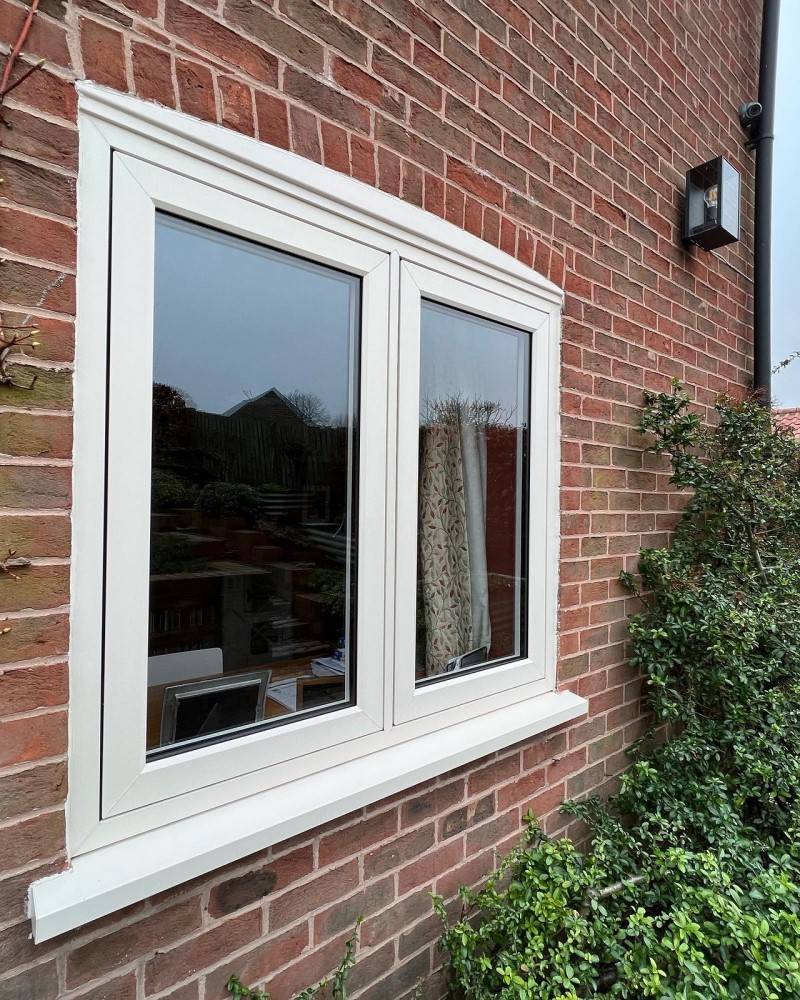
Understanding uPVC flush sash windows
a uPVC flush sash window is designed so the opening sash sits neatly within the outer frame, creating a smooth, seamless appearance.
Unlike traditional sliding sash windows, flush sash windows open outwards on hinges. They combine the appearance of traditional timber joinery with the practical benefits of modern uPVC.
What is the difference between flush and standard casement windows?
The main difference is the position of the sash. On standard casement windows, the opening sash sits proud of the surrounding frame, creating an overlapping profile. With a flush sash, the sash sits level with the frame for a flatter appearance.
This subtle difference can have a significant effect on the overall look of the window, particularly on period properties where traditional flush designs are part of the architectural character.
Key benefits of uPVC flush sash windows
Energy efficiency and thermal performance
Energy performance is an important consideration when choosing new windows. The right combination of frame, glazing and installation can help reduce heat loss and improve the comfort of your home.
Our flush sash windows can accommodate both double glazing and triple glazing. The multi-chambered uPVC profiles are designed to improve thermal performance, while Planitherm glazing can provide further efficiency.
Depending on the configuration, our flush sash systems can achieve U-values as low as 0.8 W/m²K with 44mm triple glazing.
When comparing window specifications, it is important to consider the complete window rather than the glazing figure alone, as the frame, glazing and overall window performance all contribute to compliance with current requirements.
Security features for peace of mind
Security is another important consideration when replacing windows. Our flush sash windows conform to PAS 24 security specifications and are designed around the security performance requirements referenced by Document Q.
Our flush sash windows feature internal beading and multi-point locking, helping to secure the glazing and frame. Special security fittings and additional anti-burglary measures are also available.
Document Q applies specifically to new dwellings in England, so its requirements should not be assumed to apply to every replacement window project. Where compliance is required, the complete product specification should be checked.
Low-maintenance living
One of the main advantages of modern uPVC windows is their low maintenance requirements. Unlike traditional timber windows, uPVC does not need regular painting to maintain its finish.
Our flush sash profiles are designed to be durable, corrosion-resistant and easy to clean, making them suitable for homeowners looking for minimal upkeep alongside traditional styling.
Colours, finishes and hardware
Our flush sash windows are available in far more than just traditional white, with foil laminates, wood finishes, plain colours and metallic finishes, as well as dual-colour options allowing different shades inside and outside.
Popular finishes in our range include Golden Oak, English Oak, Irish Oak and Rosewood, alongside heritage-inspired shades such as Painswick, Cotswold Green and Clotted Cream.
You can also add period-inspired hardware options, including authentic hinges and stays, Monkey Tail handles and Pear Drop handles. Georgian bars, astragal bars, leaded lights, coloured glass and matching gaskets provide further opportunities to customise the design.
Are flush sash windows suitable for period homes?
Period properties and heritage homes
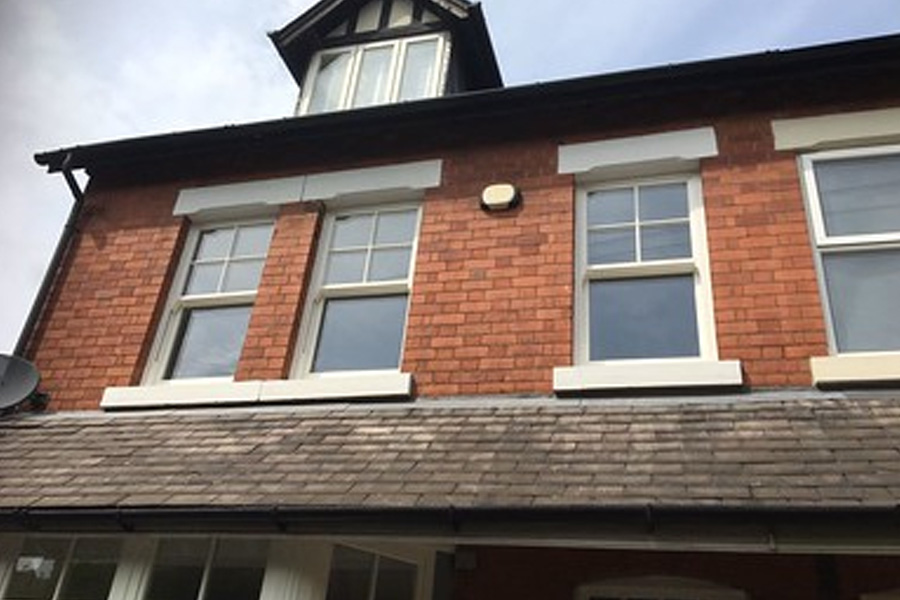
Flush sash windows are particularly well suited to period properties because their flat external profile can closely replicate the appearance of traditional timber joinery.
Our flush sash systems can incorporate period features including mechanical joints, deep bottom rails, flat external putty lines and 85mm Edwardian, Georgian and Victorian slim mullion combinations.
For more demanding heritage projects, our Residence 9 windows recreate the proportions and detailing of traditional flush sash windows and are often considered for period homes and conservation areas.
If your property is in a conservation area, always check whether additional planning requirements apply before replacing existing windows.
Modern homes
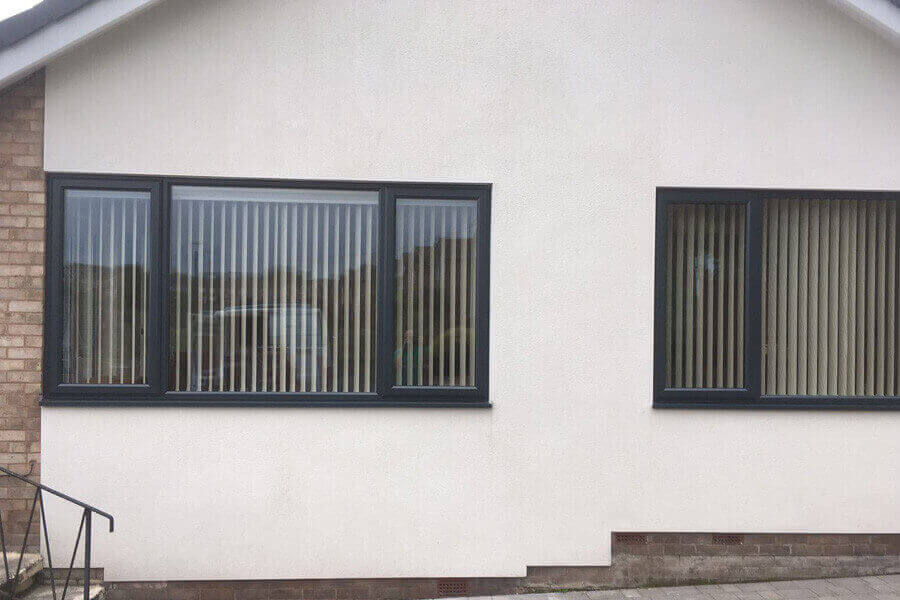
Flush windows are not limited to heritage properties. Their clean lines and understated frame design can work equally well on modern homes, particularly when combined with contemporary colours such as grey, black or bronze.
The range of finishes and glazing options means the same basic window style can be adapted to suit very different architectural styles.
How to choose the right flush sash windows
When comparing different window styles, consider:
- Your property’s architecture: Look at its age, existing windows and period features.
- Glazing: Choose between double or triple glazing according to your thermal performance requirements.
- Colour: Consider how the window finish works with the brickwork, roofline and other exterior features.
- Hardware and detailing: Georgian bars, astragal bars, handles and hinges can add an authentic finishing touch.
- The profile: Residence 7 and Residence 9 offer different proportions and detailing, so compare both before making your decision.
Seeing the options in person can also make it easier to compare finishes and hardware. You can visit our showroom in Hucknall to explore the range.
Frequently asked questions
Are flush sash windows more expensive than casement windows?
There is no significant difference in cost compared with traditional casement windows. This means homeowners can choose between the two based on appearance, performance and suitability rather than assuming a flush design will automatically cost more.
Do uPVC flush sash windows look like timber?
They can closely replicate the appearance of traditional timber, particularly when features such as mechanical joints, deep bottom rails, flat putty lines, heritage colours and period hardware are included.
Our Residence Collection is specifically designed to combine traditional styling with modern uPVC performance.
How long do uPVC flush sash windows last?
The lifespan of a window depends on its construction, installation and maintenance. Our uPVC windows are designed to last for at least 30 years with minimal maintenance. We also provide a lifetime guarantee on our products, while our aftercare service includes free callouts for potential remedial work.
Find the right flush sash windows for your home
If you’re considering uPVC flush sash windows, our friendly team can help you compare styles, colours, glazing and hardware to find the right combination for your property.
Visit our showroom at 36b High Street, Hucknall, NG15 7HG to see the range in person, or browse our work for inspiration.
You can also download our brochure, get a free quote or book an appointment.
Call us on 0115 866 00 66 to discuss your requirements.