In summary
- Trickle vents are mandatory for most replacement windows – if your old windows had them, your new ones must too, as per Part F of the Building Regulations.
- Exemptions exist for listed buildings, homes with mechanical ventilation systems and properties in conservation areas where aesthetics take priority.
- The rules changed on 15th June 2022 – stricter ventilation standards now apply to tackle poor air quality and excess moisture, reducing damp in the long run
- Trickle vents provide permanent ventilation – allowing fresh air in without opening windows, reducing condensation and improving indoor air quality.
- Not all homes need them – if your property has adequate mechanical extract ventilation or sits near a busy road, alternatives may be more suitable.
If you’re planning to replace your windows in the East Midlands, you’ve probably asked yourself: “Do I need trickle vents?”
In recent years, this question has become more pressing, especially since legislation changes came into effect in 2022. The answer is usually yes.
Trickle vents are the small openings at the top of your window frame. They might seem minor, but they play a surprisingly important role in keeping your home healthy, comfortable, and compliant with current building regulations.
Under Part F of the Building Regulations, most replacement windows will require trickle vents to meet the standards, though there are some exceptions, which we’ll explore in this blog.
The latest legislation: what Part F says about trickle vents
The ventilation requirements for UK homes are set out in Approved Document F (often called Document F or Part F), which was updated on 15th June 2022. These new rules place greater emphasis on background ventilation, the continuous, low-level flow of air that keeps your home fresh without needing to open windows.
Here’s what you need to know:
- Background ventilators must be measured in equivalent area – expressed in mm², reflecting how effectively the vent allows air to pass through.
- Minimum equivalent areas vary by room type – habitable rooms typically require 8,000 mm², while kitchens need 13,000 mm² and bathrooms 4,000 mm².
- If your old windows had trickle vents, your new windows must too – this “like-for-like” requirement applies to most replacement window installations.
- Trickle vents should be positioned at least 1,700mm above floor level – high enough to reduce draughts but still within easy reach.
Modern homes are increasingly airtight, brilliant for energy efficiency, but problematic if stale air, excess moisture and pollutants have nowhere to go. That’s where trickle vents come in.
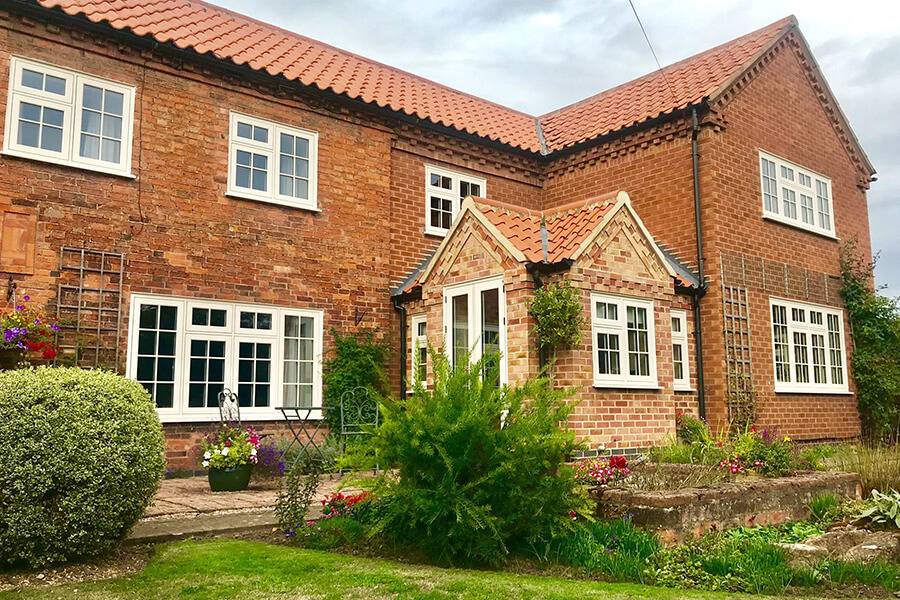
What are trickle vents?
Trickle vents (also called window trickle vents or background ventilators) are small openings built into the head of the window or door frame. They allow a controlled flow of fresh air into your home, even when windows are closed.
Unlike purge ventilation (opening a window wide to quickly clear a room), trickle vents provide permanent ventilation, a gentle, constant exchange of air that helps prevent condensation, mould and poor air quality.
Advantages:
- Improved indoor air quality
- Reduced condensation and mould
- Energy efficient – maintain ventilation without heat loss
- Compliance with building regulations
- Low maintenance
Disadvantages:
- Can create perceived draughts if positioned poorly
- Some find them less aesthetically pleasing
- May increase noise near high-traffic roads
- Occupants sometimes block them unintentionally, defeating their purpose
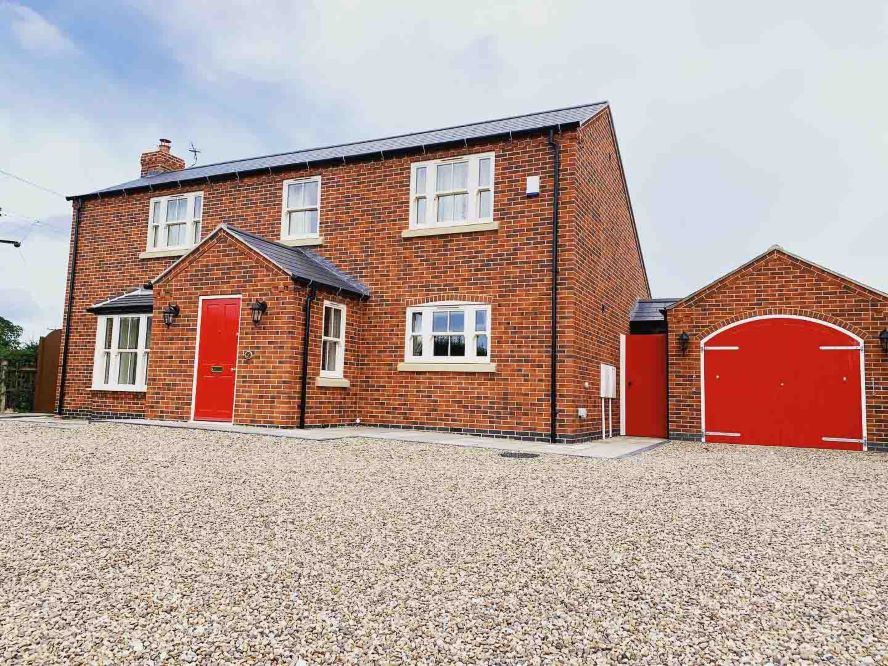
When you’re exempt from installing trickle vents
Properties with mechanical ventilation systems
If your home has a mechanical ventilation system, such as continuous mechanical extract ventilation or mechanical ventilation with heat recovery (MVHR), you may not need window vents. These systems provide controlled background ventilation throughout the property, meeting Part F requirements without trickle vents.
Listed buildings and conservation areas
If you live in a listed building or conservation area, installing visible trickle vents may conflict with planning restrictions. Your local authority may accept alternatives, such as discreet wall vents or mechanical extract ventilation. Always consult your conservation officer and Building Control before starting the work.
Homes near high-traffic roads
For properties beside busy roads, trickle vents can bring in excessive noise and pollution. A mechanical ventilation system with filtered air intake is often a better solution, maintaining fresh air without compromising comfort.
Why trickle vents are becoming more commonplace
The rise of trickle vents is down to improvements in building technology. Modern double and triple glazing, along with better insulation, means homes retain heat more effectively. While excellent for reducing energy bills, this also means less natural air exchange.
Without adequate ventilation, indoor air quality deteriorates quickly. Excess moisture from cooking and bathing has nowhere to go, leading to condensation and mould. Trickle vents address this by providing constant, controlled fresh air, keeping your home healthier without sacrificing warmth.
Do trickle vents work with double glazing?
Yes. Modern trickle vents work seamlessly with energy-efficient double and triple glazing. They allow background ventilation without compromising insulation or security, helping you maintain a comfortable, healthy home year-round. When installed at the top of the frame, they provide fresh air without noticeable draughts.
Energy-efficient glazing from the Nottingham Window Company
At the Nottingham Window Company, we understand choosing new windows is about creating a home that’s warm, secure and healthy. All our uPVC windows come A-rated as standard, with multi-chambered profiles and low-emissivity glass to keep heat in and energy bills down.
Our range includes classic casement windows, elegant sliding sash and innovative tilt and turn designs, customisable in finishes from anthracite grey to vintage cream and lifelike woodgrain effects, all fitted with modern trickle vents that blend seamlessly into the frame.
For a contemporary look, our aluminium windows offer slimline profiles and outstanding thermal performance. Meanwhile, our Residence 7 and Residence 9 ranges provide the timeless appeal of traditional timber without the maintenance, perfect for period properties.
Every window is made to measure, designed to meet current building regulations and backed by our lifetime guarantee.
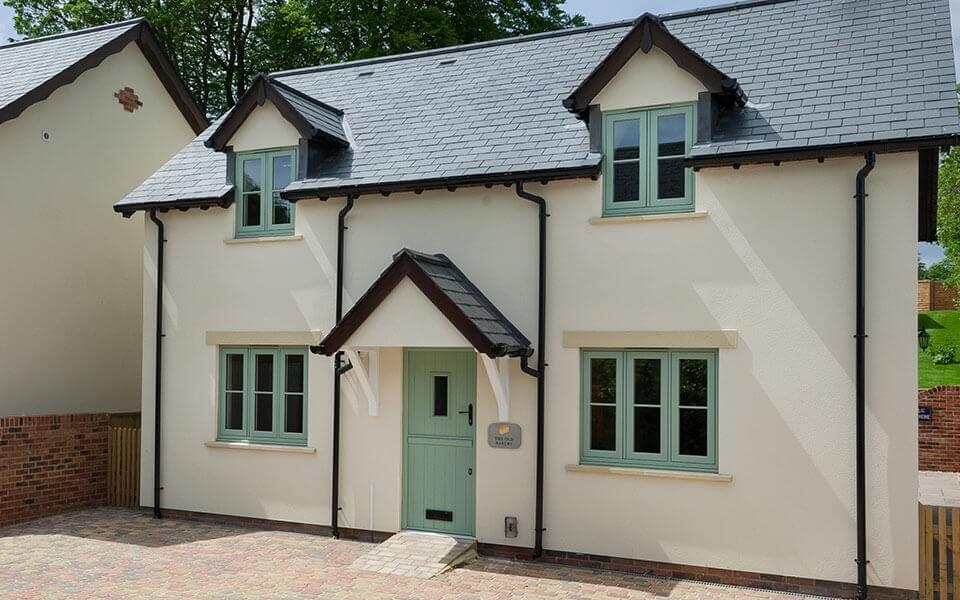
Who are the Nottingham Window Company?
We’re a family-values-led installer and manufacturer of high-performance glazing products, proudly serving homeowners across Nottingham, Derby and Leicester for over 20 years. We’re CERTASS-approved and all our work is backed by QANW insurance-backed warranties.
Get in touch
If you’re considering replacement windows and want to understand whether trickle vents are right for your home, we’re here to help. Our experienced team can guide you through the latest building regulations and recommend the best glazing solutions.
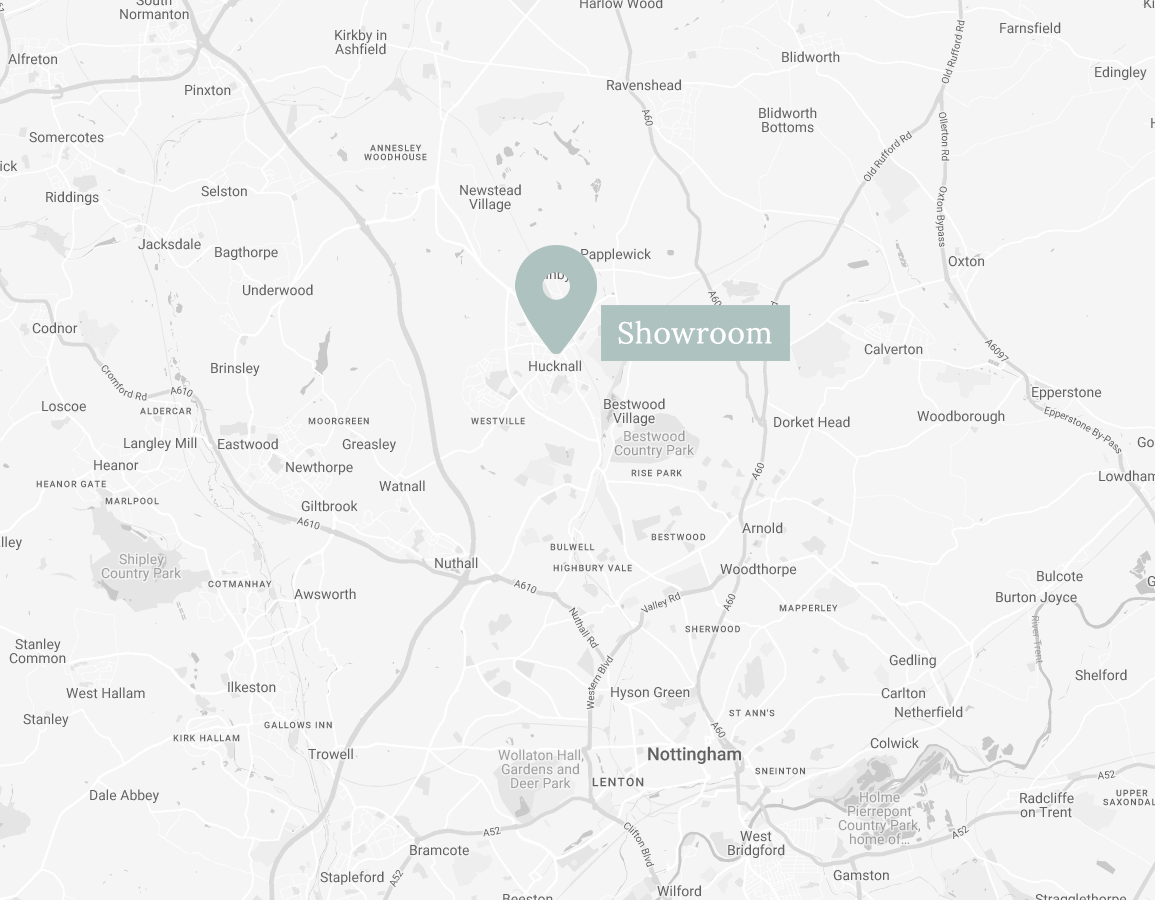
Call us on 0115 866 00 66, email sales@thenottinghamwindowcompany.co.uk, or visit our showroom at 36b High Street, Hucknall, Nottingham, NG15 7HG. Let’s create a home that’s warm, comfortable and built to last, with all the fresh air you need and none of the draughts you don’t.